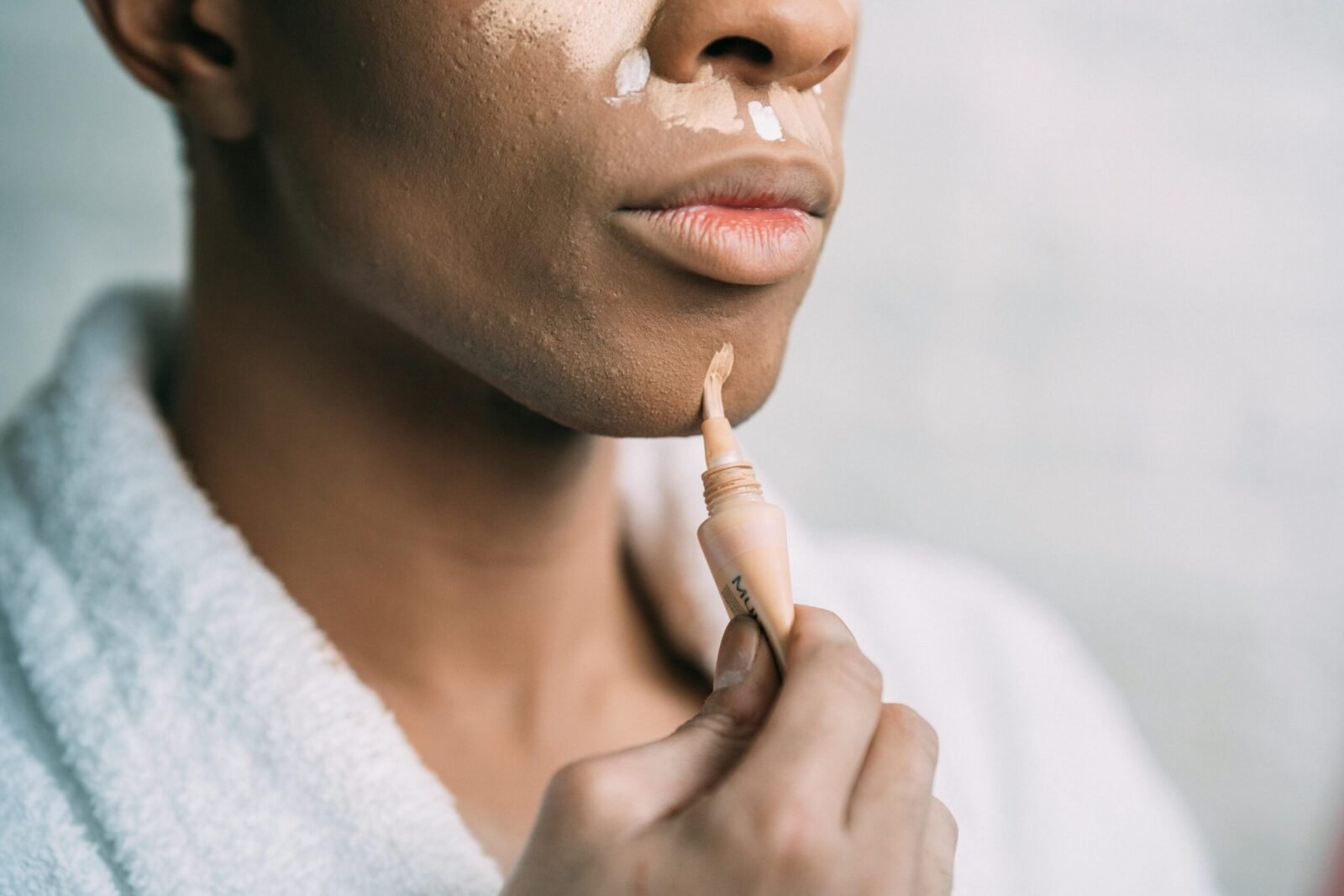
Choosing the right foundation shade is one of the most important steps in makeup. The perfect shade should blend seamlessly into your skin, look natural in all lighting, and enhance your overall appearance.
This in-depth guide will help you understand how to choose the right foundation shade, avoid common mistakes, and find your perfect match with confidence.
Why Choosing the Right Foundation Shade Matters
A wrong foundation shade can:
- Make your face look too light or too dark
- Create a visible line between your face and neck
- Look unnatural in photos and daylight
The right shade should disappear into your skin and match both your face and neck perfectly.
Step 1: Identify Your Skin Tone
Your skin tone refers to how light or deep your complexion is. It usually falls into these categories:
- Fair
- Light
- Medium
- Tan
- Deep
Start by identifying which category your skin falls into. This will narrow down your shade range.
Step 2: Understand Your Undertone
Undertone is the subtle color beneath your skin. It stays constant regardless of tanning.
There are three main undertones:
Cool Undertone
- Pink, red, or bluish hues
- Veins appear blue or purple
- Silver jewelry suits you better
Warm Undertone
- Yellow, golden, or peachy hues
- Veins appear green
- Gold jewelry looks better on you
Neutral Undertone
- Mix of both cool and warm
- Veins may appear both blue and green
- Most shades suit you
Knowing your undertone is key to selecting a foundation that looks natural.
Step 3: Choose the Right Formula First
Before picking a shade, choose a formula suitable for your skin type:
- Oily skin: Matte foundation
- Dry skin: Hydrating or dewy foundation
- Combination skin: Natural finish foundation
The right formula ensures your foundation sits well on your skin.
Step 4: Test Shades Properly
Never rely only on bottle color or online images.
To test foundation:
- Apply 2–3 shades on your jawline
- Blend slightly
- Choose the one that disappears into your skin
The jawline is the best place because it helps match both your face and neck.
Step 5: Check in Natural Light
Lighting can change how a foundation looks.
Always step outside or near a window to see the true shade. A foundation that looks good indoors may appear different in sunlight.
Step 6: Let It Set and Oxidize
Some foundations darken after a few minutes due to oxidation.
Wait 5–10 minutes after applying before making your final decision. Choose a shade that still matches your skin after it settles.
Step 7: Match Your Neck, Not Just Your Face
Your face may be slightly lighter or darker than your neck.
Always choose a shade that matches your neck to avoid a mismatched look.
Step 8: Adjust for Seasonal Changes
Your skin tone can change with seasons:
- Summer: Slightly darker due to sun exposure
- Winter: Lighter
You may need different shades for different times of the year.
Common Mistakes to Avoid
Testing foundation on your hand instead of your face
Choosing a lighter shade to look “fairer”
Ignoring undertones completely
Not checking in natural light
Buying without testing
Avoiding these mistakes will save you time and money.
Pro Tips for Perfect Shade Matching
If you’re between two shades, mix them to create a custom match.
Use shade finder tools available on brand websites.
Consult store experts for professional guidance.
Stick to brands with wide shade ranges for better options.
How to Fix a Wrong Foundation Shade
If your foundation doesn’t match perfectly:
- Too dark: Mix with a lighter foundation or moisturizer
- Too light: Add bronzer or mix with a darker shade
- Wrong undertone: Use color correctors
You don’t always need to discard a product—small adjustments can fix it.
Final Thoughts
Choosing the right foundation shade may take some trial and error, but once you find your match, it makes a huge difference in your overall makeup look.
Focus on understanding your skin tone and undertone, test properly, and always check in natural light. The perfect foundation should blend effortlessly and make your skin look like skin—only better.